
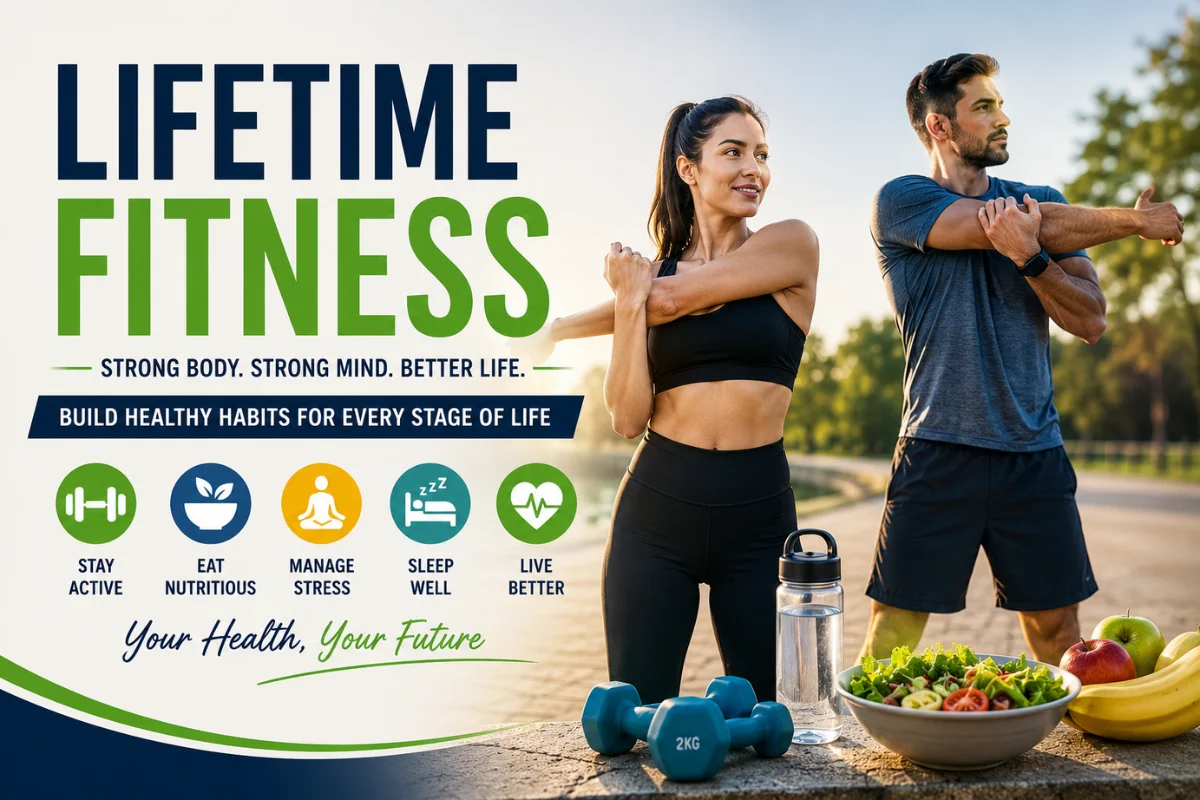
Staying healthy is no longer just about following a short-term workout plan or trying the latest diet trend. More people are realizing that true health comes from building habits that last a lifetime. This is where lifetime fitness becomes important. Instead of focusing on quick results, it encourages consistent exercise, balanced nutrition, mental wellness, and healthy daily routines that support long-term physical and emotional well-being.
Whether your goal is to lose weight, build strength, improve endurance, or simply feel better every day, lifetime fitness provides a practical approach that can adapt to every stage of life. It is not about being perfect. It is about making steady progress and creating habits you can maintain for years.
What Is Lifetime Fitness?
Lifetime fitness is the idea of maintaining an active and healthy lifestyle throughout every stage of life. It combines regular physical activity, nutritious eating, proper recovery, and positive mental health practices into one sustainable routine.
Unlike temporary fitness challenges, lifetime fitness focuses on consistency rather than intensity. It recognizes that health is a long-term investment, and even small daily actions can lead to significant improvements over time.
People of all ages can benefit from this approach. Whether you are a student, working professional, parent, or senior adult, lifetime fitness can be adjusted to suit your individual needs and abilities.
Why Lifetime Fitness Matters
Many people begin exercising because they want to lose weight or prepare for a special event. While these goals are understandable, they often lead to short-term motivation. Once the goal is achieved, healthy habits may disappear.
Lifetime fitness changes this mindset by making health a permanent part of everyday life.
Some of the biggest benefits include:
- Better heart health
- Increased muscle strength
- Improved flexibility and balance
- Healthy weight management
- Stronger immune function
- Better sleep quality
- Reduced stress and anxiety
- Higher energy throughout the day
- Greater confidence and self-esteem
These benefits become even more valuable as people grow older because regular exercise helps maintain independence and reduces the risk of many chronic health conditions.
The Core Elements of Lifetime Fitness
Building lifelong fitness requires more than spending time in the gym. Several important components work together to create lasting health.
Regular Physical Activity
Exercise forms the foundation of any fitness plan. The key is finding activities you genuinely enjoy because enjoyable workouts are easier to maintain.
A balanced routine should include:
- Cardiovascular exercise for heart health
- Strength training to build muscles
- Flexibility exercises for mobility
- Balance training to prevent falls
- Recreational activities that keep movement fun
Walking, swimming, cycling, hiking, dancing, and recreational sports all contribute to overall fitness.
Strength Training
Many people believe strength training is only for athletes or bodybuilders. In reality, everyone benefits from stronger muscles.
Strength training helps:
- Build lean muscle
- Increase metabolism
- Improve posture
- Protect joints
- Strengthen bones
- Support healthy aging
Training two or three times per week is often enough for noticeable long-term improvements.
Cardiovascular Fitness
Your heart is a muscle that also needs exercise.
Cardio activities improve circulation, increase endurance, and support overall health. Popular choices include:
- Walking
- Jogging
- Cycling
- Rowing
- Swimming
- Jump rope
- Group fitness classes
The best cardio workout is the one you enjoy enough to perform consistently.
Nutrition: Fueling Your Body for Life
Exercise alone cannot create lasting health without proper nutrition.
A balanced diet provides the nutrients your body needs for energy, recovery, and long-term wellness.
Focus on eating:
- Fresh vegetables
- Fruits
- Lean protein
- Whole grains
- Healthy fats
- Low-fat dairy or suitable alternatives
Hydration is equally important. Drinking enough water supports muscle function, digestion, temperature regulation, and exercise performance.
Rather than following restrictive diets, lifetime fitness encourages balanced eating habits that can be maintained for years.
Recovery Is Just as Important as Exercise
One common mistake people make is believing that exercising more always produces better results.
The body actually becomes stronger during recovery, not during the workout itself.
Recovery includes:
- Getting enough sleep
- Taking rest days
- Stretching after exercise
- Staying hydrated
- Managing stress levels
Ignoring recovery increases the risk of injury, fatigue, and burnout.
The Importance of Mental Wellness
Lifetime fitness is not only about physical health. Mental wellness plays an equally important role.
Exercise naturally improves mood by releasing chemicals that reduce stress and promote feelings of happiness. Regular movement also improves concentration, confidence, and emotional resilience.
Practices such as meditation, deep breathing, spending time outdoors, journaling, and maintaining healthy social relationships all contribute to a balanced lifestyle.
People who care for both their body and mind often find it easier to stay consistent with healthy habits over the long term.
Creating a Fitness Routine That Lasts
One of the biggest reasons people quit exercising is choosing routines that are too difficult to maintain.
Instead of aiming for perfection, start with realistic goals.
For example, begin with 20 to 30 minutes of activity most days of the week. As your fitness improves, gradually increase the intensity or duration.
Choosing activities you enjoy, scheduling workouts like important appointments, and tracking your progress can all help turn exercise into a lifelong habit.
Fitness at Different Stages of Life
One of the greatest advantages of lifetime fitness is its flexibility. Your exercise routine does not need to remain the same throughout your life. Instead, it should evolve as your goals, responsibilities, and physical abilities change.
Children and Teenagers
Young people benefit from staying active through sports, outdoor play, swimming, cycling, and other recreational activities. Regular movement helps strengthen bones and muscles while improving coordination and confidence. Developing healthy habits early also increases the likelihood of maintaining an active lifestyle into adulthood.
Adults
Busy work schedules and family responsibilities often make it difficult to prioritize exercise. However, even short daily workouts can improve health. A combination of strength training, cardiovascular exercise, and flexibility work helps maintain energy levels, reduce stress, and support long-term wellness.
Older Adults
As people age, maintaining mobility becomes increasingly important. Walking, resistance training, stretching, yoga, and balance exercises help preserve independence while reducing the risk of falls and age-related muscle loss. Staying active also supports cognitive health and overall quality of life.
Common Mistakes That Prevent Long-Term Success
Many people begin their fitness journey with enthusiasm but lose motivation after a few weeks. Understanding common mistakes can help create a more sustainable routine.
Some of the most frequent mistakes include:
- Setting unrealistic goals
- Skipping warm-up and cool-down sessions
- Ignoring proper nutrition
- Not getting enough sleep
- Comparing progress with others
- Overtraining without enough recovery
- Frequently changing workout programs
- Focusing only on weight instead of overall health
Consistency always produces better results than perfection.
How Technology Supports Lifetime Fitness
Modern technology has made it easier than ever to stay active and monitor progress. Fitness apps, smartwatches, heart-rate monitors, and activity trackers provide valuable insights into daily movement, workouts, sleep quality, and recovery.
Many people also enjoy online workout classes, virtual personal training, and digital fitness communities that provide motivation and accountability. While technology is helpful, it should support healthy habits rather than replace them.
Table: Components of a Balanced Lifetime Fitness Routine
| Fitness Component | Purpose | Recommended Frequency |
| Cardio Exercise | Improves heart health and endurance | 150 minutes per week |
| Strength Training | Builds muscle and bone strength | 2–3 days per week |
| Flexibility Exercises | Increases mobility and reduces stiffness | Daily or 3–5 days weekly |
| Balance Training | Prevents falls and improves stability | 2–3 days per week |
| Rest and Recovery | Supports muscle repair and prevents burnout | At least 1–2 rest days weekly |
| Healthy Nutrition | Provides energy and supports recovery | Every day |
Staying Motivated for Life
Motivation naturally comes and goes, but healthy habits can keep you moving forward even on difficult days.
Here are a few practical strategies:
- Set realistic and measurable goals.
- Celebrate small achievements.
- Exercise with a friend or family member.
- Try new activities to avoid boredom.
- Track your progress with a journal or fitness app.
- Focus on how exercise makes you feel rather than only on appearance.
- Create a schedule and treat workouts like important appointments.
Remember that missing one workout is not failure. The key is returning to your routine without giving up.
Nutrition Tips for Long-Term Health
Healthy eating does not require strict dieting. Instead, aim for balance and variety.
Simple habits include:
- Eat more whole foods and fewer processed foods.
- Include protein with each meal.
- Fill half your plate with vegetables.
- Choose whole grains over refined grains.
- Drink plenty of water throughout the day.
- Limit sugary drinks and excessive fast food.
- Practice portion control instead of eliminating favorite foods.
Small nutritional improvements made consistently often produce better long-term results than extreme diets.
Building Healthy Habits That Last
Lasting fitness is built through daily choices rather than occasional bursts of effort.
Some habits worth developing include:
- Taking the stairs instead of the elevator.
- Walking after meals.
- Stretching every morning.
- Standing up regularly during long work hours.
- Preparing healthy meals in advance.
- Going to bed at a consistent time.
- Staying physically active on weekends.
These small actions may seem minor, but together they create a healthier lifestyle over time.
Conclusion
Lifetime fitness is not about achieving perfection or following temporary trends. It is about making health a lifelong commitment through regular exercise, balanced nutrition, proper recovery, and positive daily habits.
Every person has a unique fitness journey, and success looks different for everyone. Whether your goal is improving strength, increasing energy, managing weight, or simply living a healthier life, consistency remains the most important factor.
The best fitness plan is one you can enjoy and maintain for years. By making gradual improvements and staying committed to your well-being, you can build a healthier body, a stronger mind, and a higher quality of life at every age.
